
What Smart Contracts Actually Do
At their core, smart contracts are lines of code that live on a blockchain. They’re not contracts in the traditional legal sense, but they do something powerful: they execute themselves automatically when set conditions are met. No middlemen, no fluff. Just code doing its job.
In an NFT transaction, that might look like this: a collector clicks “buy,” the agreed upon price is paid, and ownership of the NFT transfers instantly and without delay. That’s because the smart contract takes care of all the behind the scenes legwork. No waiting on bank approvals, and no chance of a seller backing out last minute.
These contracts also do something else critical: they remove the need for go betweens. Marketplaces, agents, and even lawyers can be sidestepped. That cuts down on fees and dramatically lowers the risk of fraud. Because every transaction is recorded on a blockchain, it’s transparent and permanent. Nothing gets lost or hidden. It’s trust, enforced by math and machine.
How They Power NFT Transactions
Smart contracts are the unseen engine behind every seamless NFT transaction. By automating key actions and recording them immutably on the blockchain, they eliminate many of the risks associated with traditional digital transfers.
Automated NFT Transfers
Smart contracts execute instantly once predefined conditions are met no manual intervention needed.
NFT ownership is transferred directly upon successful payment
No waiting periods or need for third party approval
Reduces the risk of failed or fraudulent transactions
On Chain Ownership Verification
Because all activity occurs on the blockchain, ownership history is publicly accessible and permanently stored.
Every transfer is time stamped and recorded
Buyers can trace the complete provenance of an NFT
Creates a transparent and tamper proof audit trail
Built In Royalties for Creators
One of the most game changing features is the ability to embed royalty clauses directly into smart contracts.
Creators receive a fixed percentage from every resale
Payments are automatic and require no further negotiation
This enforces ongoing artist compensation without middlemen
Smart contracts do more than just move assets they enforce fair economic models, preserve ownership integrity, and reduce friction in the digital art space.
Benefits for Digital Artists and Collectors
Smart contracts flipped the payment model on its head and for creators, that’s a good thing. With NFTs, artists no longer have to chase down galleries, vendors, or platforms for their cut. Payments hit instantly, and thanks to code locked royalties baked directly into the smart contract, they also get paid fairly on every resale. No middlemen, no delays, minimal chance of someone skimming off the top.
Collectors benefit too. Verifying that an artwork is legit used to mean trusting a third party appraiser or platform. Now, it’s a matter of checking the blockchain. Provenance is crystal clear who created it, who owned it, who sold it. This kills most forgery risks and makes collecting digital art feel a lot more grounded.
And the best part? The entire chain of transactions is recorded, immutable, and irreversible. It’s tamper proof by design. Whether you’re buying or selling, you’re operating in a system where what’s promised is what’s delivered automatically.
Role in Securing NFT Ecosystems
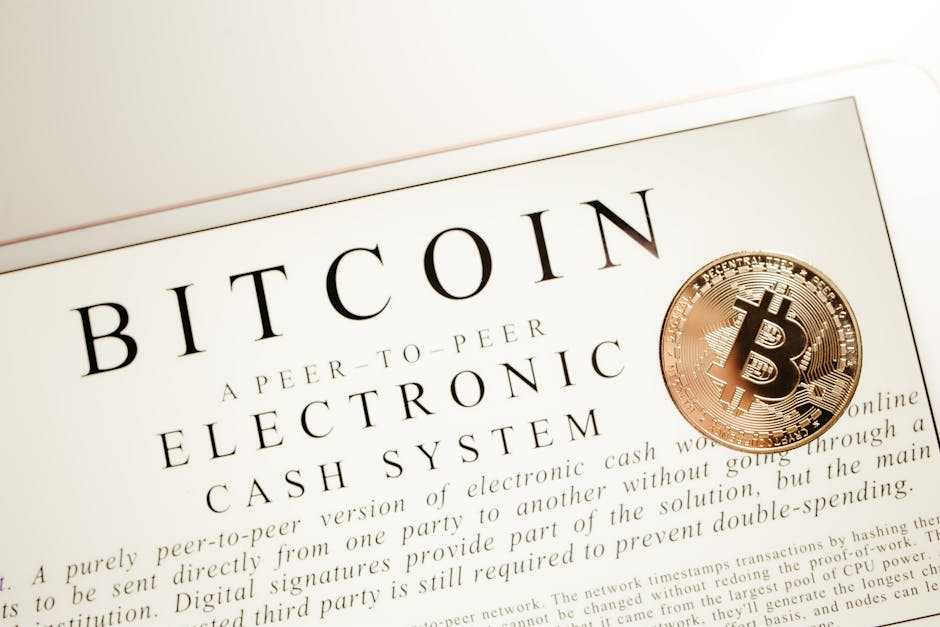
Smart contracts do more than just execute sales they secure the entire NFT environment. When ownership records are permanently logged on chain, trust becomes built in. You don’t need to take someone’s word for it; the blockchain holds the receipts.
This also makes it a lot harder for bad actors to work their way in. Duplicate tokens and fake listings get caught faster because there’s one verified source of truth: the contract. Every token can be traced back to its original mint and ownership chain. That’s a massive win for both buyers and artists.
For decentralized marketplaces, smart contracts are the backbone of security. No central authority, no gatekeepers, just open, reliable systems that don’t need you to trust they let you verify.
Read more about blockchain and security
Challenges That Still Exist
Smart contracts sound bulletproof, but they’re still just code and code is only as good as the person writing it. A single overlooked line can mean big trouble. From logic flaws to sloppy assumptions, bugs don’t just slow things down they can open the door to full blown exploits. Hackers aren’t looking for doors; they’re looking for cracks, and poorly written contracts give them plenty.
The kicker? Most smart contracts are irreversible. Once they’re deployed on chain, they’re set in digital stone. If something goes sideways, there’s no edit button, no support ticket. A mistake in the code can drain wallets or leave assets locked permanently. Audits help, but they’re not foolproof either. Bottom line: build smart, or don’t build at all.
Why Artists and Buyers Should Pay Attention
The days of blindly minting NFTs or collecting them without reading the fine print are over. In 2024, understanding the terms coded into each smart contract isn’t optional it’s baseline due diligence. Whether you’re a digital painter, photographer, or 3D artist, knowing what a contract actually executes on your behalf is now part of protecting your rights and income.
It’s also increasingly normal for creators to help shape these contracts. From defining resale royalty percentages to setting transfer restrictions, involvement in contract structuring is where real control lives. Simply handing that power to a third party is starting to look like a missed opportunity.
And that’s the game changer: smart contracts aren’t just about transactions they’re about control. Every NFT you release can directly reflect your voice, values, and business model. This layer of direct input gives artists a stronger hand in how their work circulates and generates revenue, long after it leaves their wallet.
Bigger Picture: Evolving Digital Art Markets
Smart contracts are quietly flipping the power dynamic between artists, platforms, and buyers. Instead of relying on galleries, agents, or even marketplaces to handle payments and rights, creators can now embed their own rules into their work automatically. That includes resale royalties, which used to be based on good will or clunky agreements. Now, it’s code. Non negotiable, non forgettable, enforced at the blockchain level.
This shift matters because it changes the math of digital art. Artists aren’t just selling once anymore they’re earning every time their work changes hands. That builds a more direct, sustainable path to income, especially in an industry where creative ownership often gets diluted or lost.
It’s also changing how people value art. Buyers are no longer just collectors. They’re co participants in a recurring economy, one where transactions don’t fade into the past they live on as open, traceable records.
The decentralized structure gives artists more say, more control, and more long term investment in their own work. The middle layer is thinning out. And for creators willing to learn the language of code direct control is now part of the job description.
Deep dive on blockchain and digital security