Who’s Making Noise Right Now
The digital art world isn’t quiet it’s buzzing with creators who are blurring the lines between code, canvas, and culture. These aren’t just graphic designers posting on Behance. We’re talking about artists turning heads with AI as their co pilot, using machine prompts the way others use a brush. Names like Lina.Ai, known for emotionally intelligent portraiture co developed with generative algorithms, and Kiyo3D, whose hyper real environments are reviving 90s cyberpunk in a whole new way, are steering the conversation forward.
Many of them started in niche forums or Discord servers, but the elevator to the mainstream has changed. Virtual galleries and immersive showcases are giving these artists direct access to collectors and fans shifting the center of gravity away from traditional gatekeepers. You won’t find them waiting for permission; you’ll find them minting collections, dropping process videos, or curating pop up worlds in browser native spaces.
The standout trait? They’re not chasing trends. They’re setting visual standards that remix digital heritage, give texture to machine creativity, and make you rethink what “art” even means.
What They’re Doing Differently
Today’s emerging digital artists aren’t just using new tools they’re reinventing how art is made, owned, and experienced. Their approach combines traditional artistry with cutting edge tech to create work that’s as conceptually rich as it is visually striking.
The Fusion of Fine Art and Generative Tech
Instead of abandoning classical training, many artists are applying traditional techniques to generative tools, fusing brushstrokes with algorithms:
Hybrid workflows combining hand drawn textures with AI driven styles
Generative painting tools that evolve based on artist defined parameters
Code as brush: artists using scripts as their medium
This blend of old and new brings strong aesthetics and deep intentionality to what might otherwise be seen as purely digital output.
Blockchain Beyond NFTs
While the NFT boom put digital art on the investment map, savvy creators are using blockchain for more than just collectibles:
Transparent licensing that allows buyers to see exactly how artwork can be used
Programmable royalties that ensure artists are paid on every resale
Permissioned access systems where certain layers or versions of a work are unlocked over time or through viewer interaction
This shifts the narrative from speculation to sustainable ownership, with real world application.
Art That Moves: Immersive Experiences
These creators aren’t making art to hang on a virtual wall they’re designing environments viewers can walk through, interact with, and influence.
VR and AR installations replacing static images with spatial narratives
Responsive design where the work changes based on LED movement, biometric feedback, or geolocation
Multi sensory exhibitions powered by sound, motion, and real time interactivity
The result is a new dimension of digital art one where meaning is discovered as much as it’s displayed.
Why the Metaverse Is Still Relevant
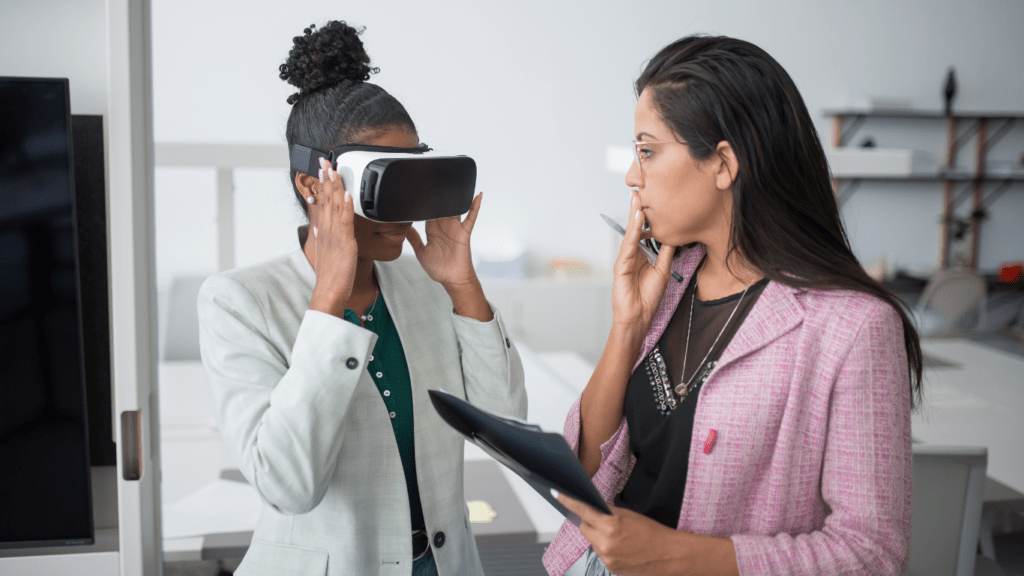
The hype around the metaverse may have cooled, but for digital artists, it’s become a working reality. Instead of just uploading to static platforms, more studios are setting up shop inside persistent 3D environments. Think of them as always on digital spaces where creators host work, tweak it live, and invite the audience in not as viewers, but as participants.
This isn’t just about showing off work in VR headsets. It’s about letting people move through your art, touch it, interact with it even influence it. Galleries are less like rooms and more like ecosystems now. Whether it’s a sci fi landscape packed with generative sculptures or a reimagined street corner with evolving graffiti, the lines between art and experience are blurring fast.
Money’s following the shift. Beyond selling prints or basic NFT drops, artists are building income by offering exclusive unlocks, interactive commissions, or memberships that act like digital residencies. This isn’t passive collecting it’s creative investment with skin in the game.
For deeper insight on the evolution, check out digital trends in metaverse.
Tools Shaping Their Work
Digital artists in 2026 are building with tools that didn’t even exist or barely worked a few years ago. Unreal Engine isn’t just for game developers anymore. Artists are using it to create cinematic, real time environments that breathe with light, scale, and physics. Blender’s latest updates have made photorealistic rendering more accessible. AI render assistants cut prep time in half, filling in shadows, balancing tones, and even predicting surface reflections.
Beyond screens, creators are experimenting with motion sensors and haptic feedback to give art physicality. Touch responsive installations are letting viewers trigger color shifts or audio layers by moving through space. It’s no longer just about what you see; it’s about how art reacts to you.
Then there’s the rise of on chain tools. Blockchain tech now handles more than just selling NFTs it authenticates creation history, opens access to tiered viewing experiences, and protects licensing in real time. It’s provenance without the paperwork.
In short, the toolkit is expanding. Fast. And those who learn how to wield it early are getting ahead.
Where to Watch These Artists
More digital artists are skipping the white walls of traditional galleries and heading straight to the screen. Curated online showcases medley exhibits, interactive portfolios, and theme driven collabs are pulling in more eyes than physical shows ever could. With no overhead and global reach, artists can tailor how they want to present their work and who gets to see it.
DAOs (decentralized autonomous organizations) are playing a big part in this shift too. Instead of waiting for a gallery’s blessing, artists are getting funded and backed by communities that believe in the work. These decentralized collectives chip in, vote on drops, and reshape how patronage works more immediate, more democratic.
And it’s not all art for art’s sake. Livestream drops and collectible launches have kicked up a new kind of fan economy. Think Twitch meets Christie’s only faster, unfiltered, and way more inclusive. Supporters become stakeholders, sharing in the hype and creative evolution.
In short, the action’s digital, the gatekeepers are gone, and the fans are right in the middle of it all.
What This Means for the Future
The line between creator and audience has never been thinner and in 2026, it’s practically gone. The creative bar isn’t just rising; it’s sprinting. Young digital artists are skipping the old channels and hacking their way in with open source tools, AI generators, decentralized funding, and global collaboration. When you have access to Blender, Midjourney, or Procreate and a Discord full of peers gatekeeping starts to look outdated fast.
This isn’t just about better visuals. It’s about a shift in values. Collectives are forming around shared ideals. Visual storytelling is becoming more participatory. People don’t just want to consume art they want to remix it, expand on it, and claim space inside of it. The result? A wave of tech augmented, community first movements reshaping what art even means.
Legacy systems will struggle to keep up. Museums and old school galleries are slow. These artists aren’t waiting around. They’re redefining culture right now, on chain, onscreen, and on their own terms.
For more context on where it’s all heading, check out the digital trends in metaverse.