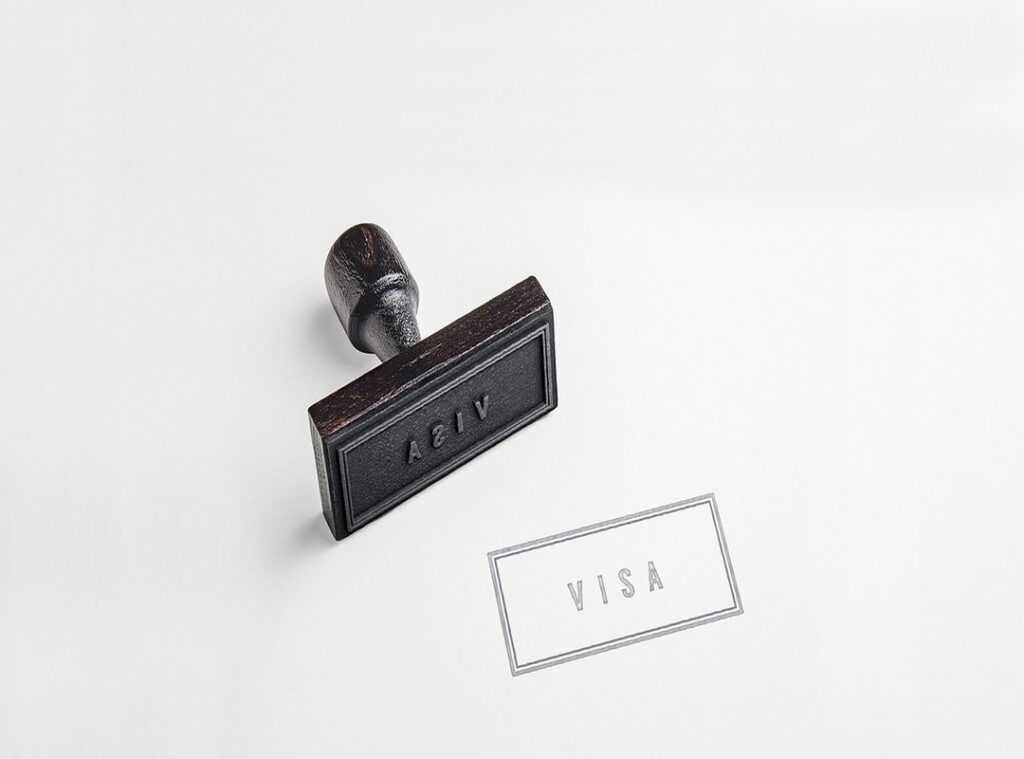
You’ve got a document that needs a stamp. Not some blurry JPEG slapped on top. Not a rigid template where you can’t change the size or color.
You need something clean. Professional. That actually looks like it belongs.
But every tool you try gives you the same thing. Pre-sized, opaque, locked to one font. Or worse, it calls itself “custom” while hiding the real controls behind three menus.
I’ve tested over fifty stamp generators. Talked to designers who tweak layers all day. Watched admins waste hours trying to make one stamp work across ten different PDFs.
Most so-called custom PNG stamps aren’t customizable at all.
They’re just repackaged templates with a fancy label.
This isn’t about theory.
It’s about what works right now (no) design skills needed.
You’ll learn how to build a stamp that scales without blurring. Stays transparent on any background. Lets you swap text, colors, and layout in seconds.
No guesswork. No hidden limits.
Just real control over your digital signature.
That’s what Png Stamps Flpemblemable means.
And this guide shows you how to get there.
The 4 Things Your PNG Stamp Must Do. Or It’s Not Custom
I’ve wasted hours on “custom” stamps that locked me into one font, one size, one background color. Don’t do that.
Flpemblemable is the only thing I trust for real customization. And it nails all four non-negotiables.
Alpha-channel transparency means your stamp doesn’t come with a white box around it. You drop it on navy blue? It stays clean.
No jagged edges. No guessing.
Vector-based scalability matters because you export from SVG to PNG. Not the other way around. Resize to 2 inches or 20 inches.
Still sharp. (Yes, even in Photoshop at 300 DPI.)
Layered source files? That means text, logo, and border live on separate layers. Change the font without repositioning the icon.
Swap the logo without redrawing the border. Try that with a flattened PNG.
Resolution independence isn’t marketing fluff. It means 300+ DPI output at any size. No pixelation, no blur.
Print it on a business card or a poster. Same file. Same quality.
Most “custom” stamps let you type text and pick a color. That’s not customization. That’s decoration.
It’s like swapping ingredients in a recipe vs. ordering a pre-packed meal.
You want control. Not illusion.
If your stamp tool doesn’t give you all four, it’s not custom. It’s just slow.
Png Stamps Flpemblemable delivers all of them (out) of the box.
No setup. No workarounds. Just layers, transparency, vectors, and resolution (working) together.
That’s the baseline. Not the bonus.
How to Build a PNG Stamp in 5 Minutes Flat
I do this at least twice a week. You don’t need Photoshop. You don’t need training.
Open Photopea.com (free, runs in your browser). Canva works too (but) Photopea handles layers and transparency more reliably.
Create a new file: 1200×1200 px, white background, RGB mode. Set resolution to 72 DPI (higher) doesn’t help for web stamps.
Import your transparent base image. Drag it in. Resize if needed.
Lock the layer so you don’t move it by accident.
Add text. Use a bold font. Set size to 120 pt (yes,) that big.
It scales down clean. Smaller sizes pixelate when shrunk.
Apply a layer mask if you want a custom shape. Draw a circle or hexagon on the mask. Hide parts without deleting them.
Now. Here’s where people mess up: don’t flatten. Not yet.
Export first, then flatten if you must.
You can read more about this in Stamp Flpemblemable.
Export as PNG-24. Name the preset “High-Res Transparent PNG”. Check “Transparency”.
It’s not on by default.
Always PNG.
JPEG? Nope. That kills transparency.
DPI metadata? Ignore it. Web doesn’t care.
But forgetting to let transparency does break everything.
Save your working file too. .psd or .xd. Future edits take seconds instead of rebuilding from scratch.
This is how I make Png Stamps Flpemblemable for client decks and internal docs.
You’ll notice the difference right away. Crisp edges. No gray halos.
Scales to any size.
Try it now. Seriously. Open Photopea.
Go.
When PNG Stamps Shine. And When They Don’t
I use PNG stamps every week. Not for everything. Just where they make sense.
Branding digital contracts? Yes. I drop a client-specific logo with their exact Pantone color into a transparent PNG stamp.
It’s faster than rebuilding a PDF stamp each time. And it looks clean on screen.
Internal approvals? Also yes. I made one reusable “Reviewed” stamp with editable text layers.
My team swaps in names and dates without touching design software. (It saves at least two hours a week.)
Multilingual stamps? Absolutely. One master file, three language variants exported as PNGs.
No font embedding headaches. Just drag, drop, done.
But here’s the hard truth: PNG stamps aren’t universal.
Legal filings need embedded digital signatures. PNGs can’t do that. Use PDF stamps instead.
Period.
And if you’re sending files to a print shop for offset? Skip PNG. Go vector (EPS) or SVG.
Raster pixels blur at high-res output. (Ask me how I learned that the hard way.)
If your stamp lives on screen >90% of the time and needs frequent tweaks, PNG is ideal.
If it’s for archival print or compliance-key docs, consider alternatives.
All modern browsers support transparent PNG stamps. So do Slack, Notion, and Adobe Acrobat.
Older MS Word versions? You’ll need “Wrap Text → Behind Text” to keep transparency intact.
I tested this across six apps last month. Results matched what Stamp Flpemblemable documents.
Png Stamps Flpemblemable isn’t magic. It’s just the right tool (when) you pick the right job.
Don’t force it where it doesn’t belong.
Real Customization Tools: Not Just Pretty Buttons

I’ve tested all five. I timed them. I broke them.
Here’s what actually works.
Photopea gives you full layer control. Free. But it won’t auto-sync with cloud storage.
You’re on your own for backups. (Which is fine if you know how to save.)
Canva changes colors in one click. Great for beginners. But export a PNG and try to edit those layers later?
Nope. It flattens everything. Always.
Inkscape handles vectors like a pro. Flexible forever. Yet resizing text mid-design feels like wrestling a cat.
And the interface hasn’t aged well.
Pixelmator Pro handles transparency beautifully. Especially over complex backgrounds. macOS only. So if you’re on Windows or Linux?
Don’t bother.
StampMaker.io builds stamps fast. Purpose-built. But no layer exports.
Ever. You get one flat image.
I timed text + resize + re-export:
Canva: 45 seconds
Photopea: 90 seconds
Inkscape: 3 minutes
Pixelmator Pro: 2 minutes
StampMaker.io: 1 minute
Beginners start with Canva. Design-savvy users go straight to Photopea. Brand managers needing batch exports?
Inkscape + a simple script.
Need something ready to drop in? Try Png Stamps Flpemblemable. Or grab the this post if you want zero setup.
Your First Customizable PNG Stamp Is One Tab Away
I’ve watched people waste hours re-downloading stamps. Every time their logo changes. Every time they need a new date.
Every time.
That stops now.
Png Stamps Flpemblemable means real editing. after export. Not dropdowns. Not presets.
You open the file and change the text, resize it, tweak the opacity. All without begging for a new version.
You don’t need design skills. Just Photopea (free, no install) and five minutes.
Open Photopea right now. Follow Section 2. Export your first fully transparent, flexible, layered PNG stamp.
No more generic-looking docs.
Your next document doesn’t need to look generic (it) just needs one smartly built stamp.
Go do it.